


Master meaning without guessing
Equip dyslexic students with systematic, visual strategies to monitor understanding, tackle complex texts, and repair comprehension gaps independently.
Three core strategies
These five-minute classroom interventions shift students from passive decoding to active self-monitoring during standard reading blocks.
Click and Clunk
Visual KWL Charts
Active Annotation
Train readers to self-monitor. 'Clicks' represent smooth understanding, while 'clunks' signal sticky words requiring immediate systematic repair tactics.
Map comprehension visually. Students track what they Know, Want to learn, and Learned, turning abstract text into a structured thinking grid.
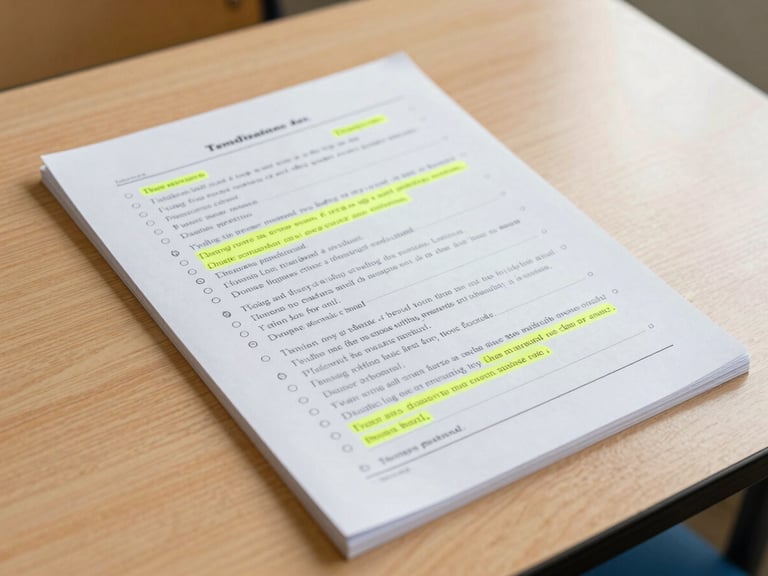
Keep focus physical. Students use custom margin codes and high-visibility highlighters to anchor attention directly to the sentence level.
Tactics in action
By marking texts directly, dyslexic students externalize their working memory. Simple pencil symbols and targeted highlights anchor focus, preventing the cognitive fatigue that leads to comprehension breakdown.
Using margin codes changed how my reading group operates. Students stopped guessing and started self-correcting.
Sarah M., Third Grade Teacher
Ready for tomorrow
Download our classroom-ready comprehension toolkit containing printable cue cards, lesson templates, and visual annotation guides.